
Articles
Pad Thai vs. Pad See Ew: What’s the Difference and Which Should You Learn First?
Jan
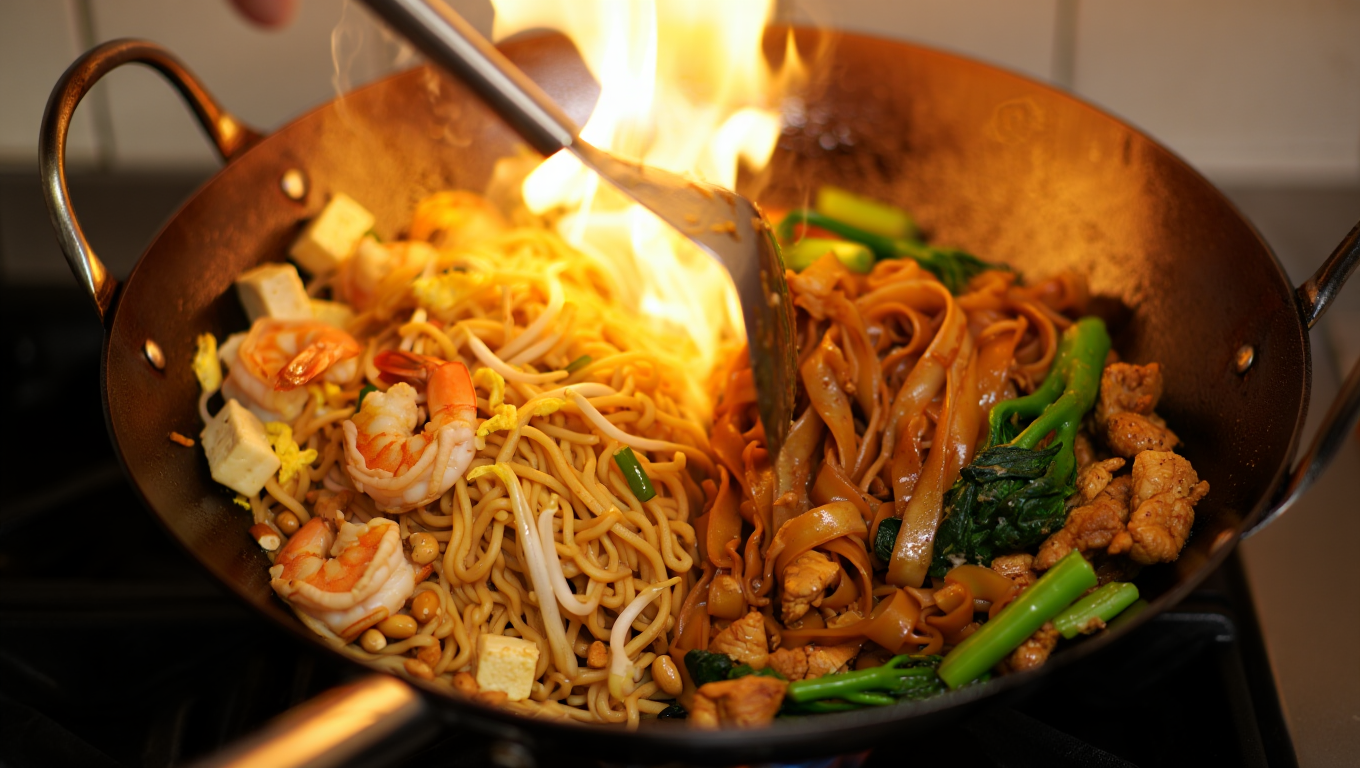
Among Thailand’s many iconic dishes, Pad Thai and Pad See Ew stand out as two of the most beloved stir-fried noodle dishes, both in Thailand and around the world. Travelers often encounter them early in their culinary journey, whether at street food stalls, local restaurants, or cooking classes. At first glance, they may seem similar—both are noodle-based, cooked in a wok, and deeply satisfying—but in reality, they represent two very different sides of Thai cuisine.
Understanding the differences between Pad Thai and Pad See Ew goes beyond choosing what to order. It offers insight into Thai cooking techniques, flavor balance, and cultural habits. If you’re planning to take a Thai cooking class in Phuket, knowing which dish to learn first can help you build confidence and appreciation for Thai gastronomy. This guide explores what makes each dish unique and how learning them fits into an authentic cooking experience.
Pad Thai: Thailand’s Global Culinary Icon
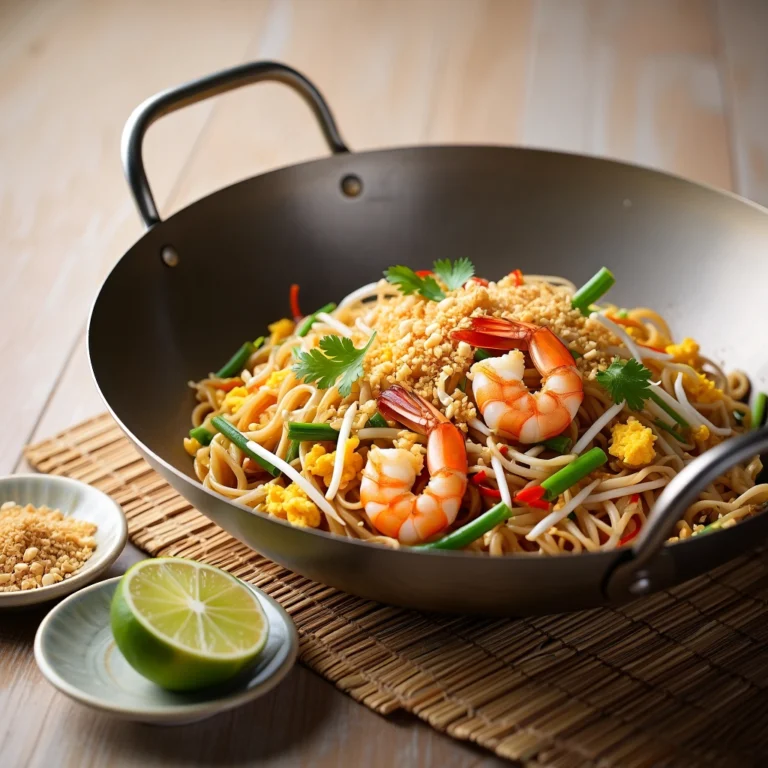
Pad Thai is arguably Thailand’s most internationally recognized dish. Created in the mid-20th century, it combines rice noodles with a harmonious blend of sweet, sour, and savory flavors. The sauce typically includes tamarind, palm sugar, fish sauce (or vegetarian alternatives), and sometimes chili, creating a complex but approachable taste.
The dish is stir-fried quickly over high heat with eggs, tofu or shrimp, garlic chives, and bean sprouts, then finished with crushed peanuts and a wedge of lime. Each component plays a role, making Pad Thai a lesson in balance and timing.
Cultural Insight: A Dish Designed to Represent Thailand
Pad Thai was promoted nationally during a period when Thailand sought to modernize and define its national identity. Its balanced flavors and accessible ingredients helped it become a symbol of Thai cuisine worldwide.
Pad See Ew: Comfort Food with Chinese-Thai Roots
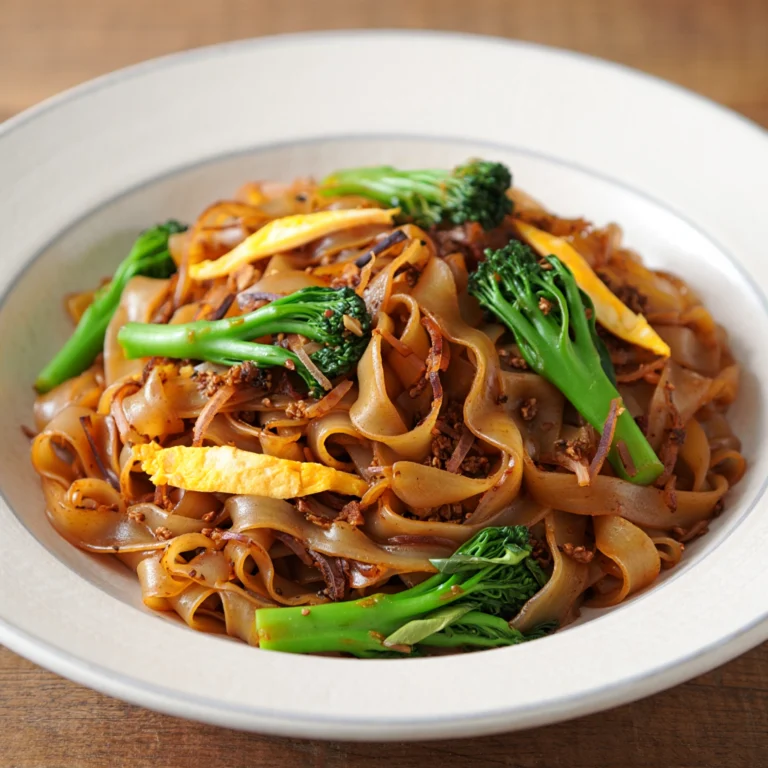
Pad See Ew is a heartier, more savory noodle dish that reflects the strong Chinese influence on Thai cuisine. It uses wide rice noodles stir-fried with dark soy sauce, garlic, Chinese broccoli (gai lan), and typically egg and meat or tofu.
Unlike Pad Thai, Pad See Ew focuses less on sweet-sour contrast and more on rich, smoky flavors developed through high-heat cooking. The dish is deeply comforting and commonly enjoyed by locals as a quick lunch or dinner.
Culinary Insight: The Importance of Wok Technique
The signature flavor of Pad See Ew comes from wok hei, the slightly charred aroma achieved by cooking noodles over very high heat. Mastering this technique is an essential skill taught in quality Thai cooking classes.

Comparing Ingredients and Flavors
While both dishes rely on rice noodles, their ingredient profiles differ significantly. Pad Thai uses thinner noodles and a sauce built around tamarind and palm sugar, resulting in a brighter, more layered flavor. Pad See Ew relies on thick noodles and soy-based seasoning, producing a deeper, more savory taste.
Vegetables also play different roles. Bean sprouts and chives add freshness to Pad Thai, while Chinese broccoli provides a slightly bitter contrast in Pad See Ew. These distinctions highlight the diversity within Thai noodle dishes.
✅ Tip: Balance vs. Boldness
Pad Thai teaches balance—sweet, sour, salty, and spicy—while Pad See Ew emphasizes bold, umami-rich flavors. Both are essential expressions of Thai cooking philosophy.

Difficulty Level for Beginners
For beginners, Pad Thai can be more challenging than it appears. Achieving the right balance of flavors requires careful tasting and adjustment, and timing is crucial to prevent noodles from becoming sticky or overcooked. Pad See Ew, while technically demanding due to high heat, is often easier for beginners to season correctly. Its flavor profile is more straightforward, making it a confidence-building dish for those new to Thai cooking.
✅ Tip: Start Simple, Then Build Complexity
Many instructors recommend learning Pad See Ew first to master stir-frying techniques before moving on to the more nuanced flavor balancing required for Pad Thai.

What Each Dish Teaches You About Thai Cuisine
Pad Thai introduces students to the art of sauce-making and the Thai approach to balancing contrasting flavors. It encourages tasting, adjusting, and understanding how small changes affect the final dish.
Pad See Ew focuses on technique—controlling heat, timing ingredients, and achieving proper texture. Together, these dishes provide a well-rounded introduction to Thai cooking skills.
Cultural Insight: Thai Food Is Learned by Doing
In Thailand, cooking is often taught hands-on rather than through strict recipes. Learning dishes like Pad Thai and Pad See Ew reflects this practical, experience-based approach.

Which Dish Should You Learn First?
If your goal is to understand the foundations of Thai flavor balance, Pad Thai is an excellent starting point. It challenges you to think like a Thai cook, adjusting flavors until harmony is achieved.
If you prefer to build technical confidence first, Pad See Ew is ideal. Its simplicity allows you to focus on wok skills and ingredient handling before tackling more complex seasoning.
At Phuket Thai Cooking Academy, both dishes are taught with clear explanations and hands-on practice, allowing students to progress naturally regardless of their starting point.
✅ Tip: Learn Both for a Complete Experience
Learning both dishes provides complementary skills and a deeper appreciation of Thai cuisine’s diversity.

Pad Thai and Pad See Ew in a Cooking Class Experience
In a structured cooking class, students benefit from professional guidance, high-quality ingredients, and cultural context. Understanding why dishes are cooked a certain way transforms them from recipes into culinary knowledge.
Phuket Thai Cooking Academy emphasizes technique, flavor understanding, and adaptability, ensuring that students can recreate these dishes confidently at home.
Learning Benefit: Skills You Can Use Anywhere
Both Pad Thai and Pad See Ew rely on techniques and principles that apply to many other Thai dishes, making them valuable foundations for further exploration.
Pad Thai and Pad See Ew may share noodles and a wok, but they represent two distinct expressions of Thai cuisine—one focused on balance and brightness, the other on comfort and depth. Choosing which to learn first depends on your goals, but mastering both offers a complete introduction to Thai cooking techniques and flavors. For travelers eager to go beyond tasting and truly understand Thai food, learning these iconic dishes at Phuket Thai Cooking Academy is a rewarding step into Thailand’s rich culinary culture.
