
Articles
A Complete Guide to Thai Curry Paste: Red, Green, Yellow, Massaman & Panang

Mar
Thai curry pastes are the aromatic heart of some of Thailand’s most iconic dishes. More than just a blend of spices, each curry paste reflects regional influences, historical trade routes, and the Thai philosophy of balancing flavors. From the fiery freshness of green curry to the rich, gently spiced depth of Massaman, Thai curry pastes showcase the incredible diversity of Thai cuisine.
For travelers and food lovers visiting Phuket, understanding these curry pastes is key to appreciating Thai food beyond the plate. Whether enjoyed in a street-side bowl or prepared by hand in a traditional kitchen, curry pastes tell a story of culture, craftsmanship, and culinary heritage. This complete guide explores the five essential Thai curry pastes—Red, Green, Yellow, Massaman, and Panang—explaining their ingredients, flavors, and traditional uses, while offering insight into how they are best learned and mastered in Thailand itself.
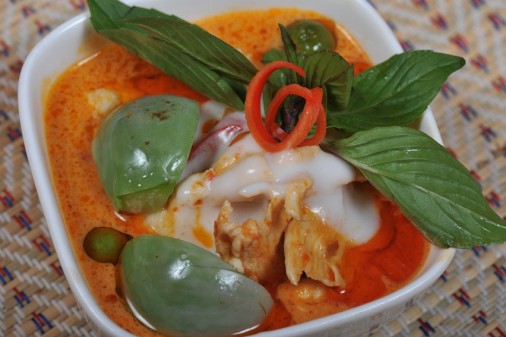
Red Curry Paste (Prik Gaeng Phed)
Red curry paste is one of the most widely used foundations in Thai cooking. Its signature color comes from dried red chilies, which provide a deep, lingering heat rather than an immediate burn. Key ingredients include garlic, shallots, galangal, lemongrass, kaffir lime zest, coriander root, and shrimp paste.
Red curry is known for its versatility. It pairs beautifully with chicken, beef, duck, seafood, or vegetables, and is often enriched with coconut milk to create a creamy, balanced sauce. Dishes like Gaeng Phed Gai (red curry with chicken) are staples in both home kitchens and restaurants across Thailand.
Culinary insight
Traditional red curry paste is pounded by hand using a stone mortar and pestle. This slow process releases essential oils from herbs, resulting in a deeper, more complex aroma than machine-blended pastes.
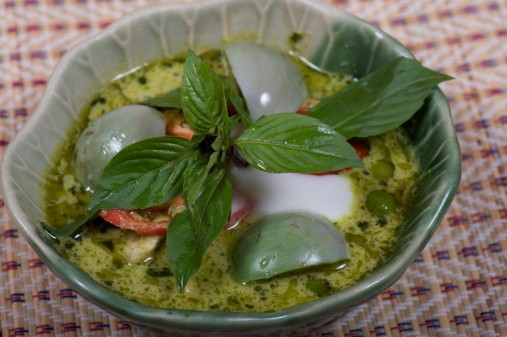
Green Curry Paste (Prik Gaeng Keow Wan)
Green curry paste is famous for its vibrant color and bold flavor. Made with fresh green chilies, it delivers a sharper, more aromatic heat than red curry. Other ingredients include Thai basil, coriander root, kaffir lime zest, galangal, garlic, shallots, and shrimp paste.
Despite its reputation for spiciness, green curry is also known for its herbal freshness. When combined with coconut milk, the result is a harmonious balance of heat, sweetness, and fragrance. Green curry with chicken (Gaeng Keow Wan Gai) is one of Thailand’s most internationally recognized dishes.
✅ Tip: Cultural tip
In Thailand, green curry is often considered spicier than red curry, even though its color may appear milder to first-time visitors. The freshness of the chilies intensifies the heat.

Yellow Curry Paste (Prik Gaeng Kari)
Yellow curry paste stands apart from other Thai curries due to its strong influence from Indian and Muslim cuisine. Turmeric gives it its golden hue, while spices such as cumin, coriander seeds, and sometimes cinnamon create a warm, earthy flavor profile.
Yellow curry is generally milder and less spicy, making it popular with beginners and families. It is often cooked with potatoes, onions, and carrots, alongside chicken or seafood. This curry reflects Thailand’s long history of spice trade and cultural exchange with South Asia.
✅ Tip: Practical advice
Yellow curry is an excellent introduction to Thai curries for those sensitive to heat, while still offering authentic flavors and aromas.
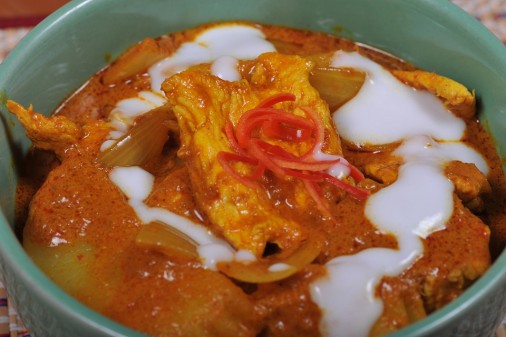
Massaman Curry Paste
Massaman curry is one of Thailand’s most distinctive and historically rich curries. Influenced by Persian and Middle Eastern traders, its paste includes dried spices such as cardamom, cloves, cinnamon, star anise, and nutmeg, combined with Thai ingredients like lemongrass and galangal.
This curry is mild, rich, and slightly sweet, often prepared with beef or chicken, potatoes, peanuts, and coconut milk. Massaman curry has repeatedly been recognized internationally as one of the world’s best dishes, yet it remains deeply rooted in Thai culinary tradition.
Cultural insight
Massaman curry was historically served at royal courts and special occasions, reflecting its luxurious ingredients and complex preparation.

Panang Curry Paste
Panang curry paste is closely related to red curry but has a thicker, richer texture and a more subtle heat. It includes dried red chilies, garlic, shallots, galangal, lemongrass, and a higher proportion of kaffir lime zest, giving it a distinctive citrus aroma.
Panang curry is typically cooked with less coconut milk, resulting in a creamy, almost velvety sauce that clings to the protein. It is most commonly paired with beef or chicken and finished with finely sliced kaffir lime leaves.
Culinary detail
Unlike other Thai curries, Panang is rarely soupy. Its thicker consistency highlights the paste itself, making ingredient balance especially important.

Learning Thai Curry Paste in Phuket
While ready-made curry pastes are widely available, learning to make curry paste from scratch offers a deeper connection to Thai cuisine. Selecting fresh herbs, understanding spice ratios, and mastering pounding techniques provide insight into why Thai curries taste the way they do.
In Phuket, hands-on cooking experiences allow visitors to explore these traditions in an immersive setting. Preparing curry paste step by step helps students appreciate regional variations and adapt flavors to personal taste—an essential skill in Thai cooking.
Thai curry pastes are far more than cooking ingredients—they are expressions of Thailand’s history, culture, and culinary philosophy. From the fiery freshness of green curry to the gentle richness of Massaman, each paste offers a unique window into Thai gastronomy.
For travelers eager to move beyond tasting and into true understanding, learning how these pastes are made is an unforgettable experience. Exploring Thai curry paste in Phuket, especially through Thai cooking masterclass in Phuket, allows food lovers to bring authentic flavors home while deepening their appreciation of Thai culture.
