
Articles
5 Dishes You’ll Learn in a Thai Cooking Class (and Why They Matter)

Oct
Step into any Thai kitchen and you’ll quickly discover that cooking here is less about following rigid recipes and more about balancing flavor, aroma, and texture in real time. That philosophy is exactly what a good Thai cooking class in Phuket teaches you. Beyond the fun of chopping lemongrass or pounding a curry paste by hand, each dish on a typical class menu carries its own story — a regional history, a cultural role, or a technique that unlocks the logic of Thai cuisine as a whole. Here are five dishes you’ll likely learn in a hands-on class, and why each one matters far beyond the plate.

Tom Yum Goong: The Art of Balance
Tom Yum Goong, the fiery and fragrant shrimp soup, is often the first dish taught because it distills Thai cooking’s core principle: balance. Sour, spicy, salty, and slightly sweet flavors must coexist in a single spoonful, achieved through lime juice, chilies, fish sauce, and fresh herbs like galangal, kaffir lime leaf, and lemongrass.
✅ Why It Matters?
Mastering tom yum teaches you to taste and adjust as you cook rather than measure blindly — a skill that transforms how you approach every other Thai dish afterward.

Pad Thai: Thailand’s Culinary Ambassador
Few dishes represent Thailand internationally like pad thai. Stir-fried rice noodles with egg, tofu or shrimp, tamarind, and crushed peanuts, it’s deceptively simple yet easy to get wrong without the right wok technique and timing.
✅A Dish with a Political Past:
Pad thai isn’t ancient — it was promoted in the 1930s–40s as part of a national identity campaign, making it a fascinating entry point into modern Thai history as much as its cuisine.
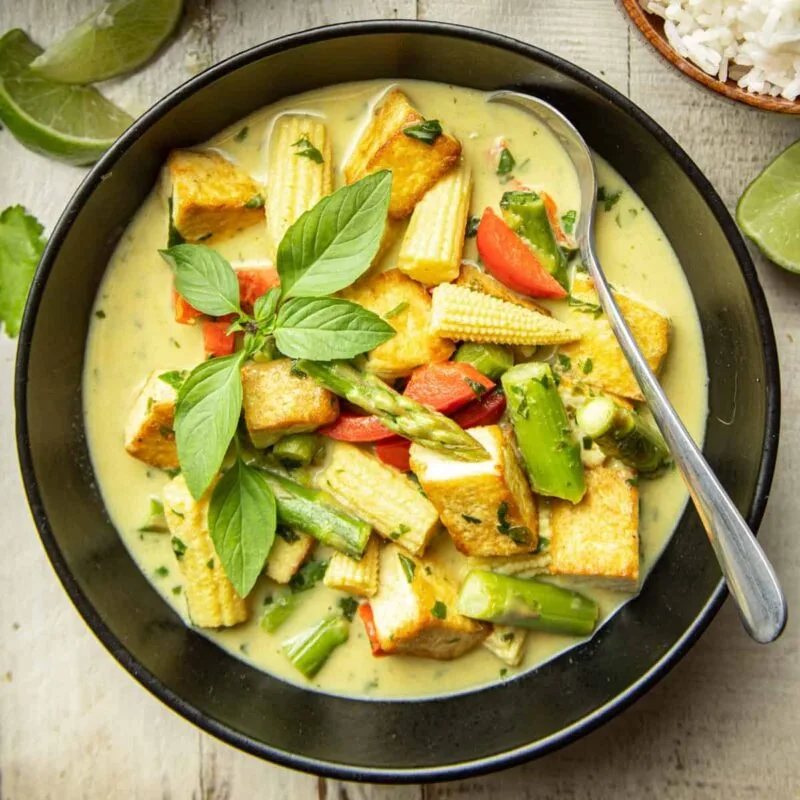
Green Curry (Gaeng Keow Wan): Mastering Curry Paste
Making green curry from scratch means learning to pound your own paste with a mortar and pestle, blending green chilies, garlic, shallots, and shrimp paste before simmering it in coconut milk. This hands-on process reveals why fresh, handmade paste tastes worlds apart from store-bought versions.
✅The Coconut Milk Technique:
A key trick taught in class is “cracking” the coconut cream to release its oil before adding the paste — a small but essential step that deepens the curry’s aroma and richness.

Som Tum: Southern Thailand’s Fresh, Fiery Side
Som tum, the green papaya salad, showcases Thailand’s love of raw, punchy flavors and communal pounding techniques using a clay mortar. It’s also a wonderful lesson in regional variation, as recipes shift subtly from the Isaan region to the South, where you’re learning it in Phuket.

Massaman Curry: A Story of Trade and Fusion
Rich, mildly spiced, and studded with potatoes and peanuts, massaman curry reflects centuries of trade between Thailand, India, and the Middle East. Its warm spices — cinnamon, cardamom, cloves — set it apart from Thailand’s typically herb-forward curries.
✅ A Taste of Thai-Muslim Heritage:
Massaman originated in Thailand’s Muslim communities, making it a delicious reminder of the country’s culinary diversity beyond the more commonly known central Thai dishes.
These five dishes offer far more than a satisfying meal — they’re a window into Thai history, regional identity, and the delicate art of flavor balance that defines the cuisine. Learning to make them by hand, guided by experienced local chefs, turns a simple recipe into lasting understanding. If you’re ready to taste these stories for yourself, join us at Phuket Thai Cooking Academy for a hands-on class where every dish comes with context, technique, and genuine Thai hospitality.
